
Repair, replacement or a different fault?
A mechatronic unit is the control centre of a dual clutch gearbox. Electronics interpret driver requests and sensor data; hydraulic components operate the clutches and gear selectors. Volkswagen describes the control unit, sensors and hydraulic actuators as an integrated assembly. That is why a fault can look dramatic while having several possible causes.
“Mechatronic failure” is sometimes used as a catch-all for any DSG problem. A clutch that slips, a worn dual-mass flywheel, a wiring fault or a mechanical gearbox defect can create symptoms that overlap with a control-unit problem. Replacing the mechatronic before separating these possibilities can leave the original fault untouched.
What the driver may notice
- Delayed engagement of Drive or Reverse, a harsh take-off or intermittent loss of drive.
- Jerky changes, refusal to select particular gears or a gearbox warning message.
- A fault that appears only when hot, in traffic or after a longer journey.
- Transmission fault codes, sometimes accompanied by an engine or electrical fault.
None of these observations proves a mechatronic failure by itself. The DSG mechatronic symptoms guide explains why the pattern matters as much as the warning lamp. If the car loses drive or shows a serious gearbox warning, stop in a safe place and seek professional advice rather than continuing to test it on the road.
What a proper diagnosis should establish
The first question is exactly which transmission is fitted. “Seven-speed DSG” is not enough: a DQ200 dry-clutch gearbox and a DQ381 wet-clutch gearbox have different designs, components and service requirements. Audi S tronic can also refer to different gearbox families. The transmission code, vehicle identification and repair history guide the next checks.
A specialist reads the transmission and related control units, records the fault codes and conditions, and checks whether they are current, intermittent or historical. Live data and appropriate functional checks help determine whether the issue concerns electrical supply, communication, sensors, hydraulic control, clutch behaviour or a mechanical part. A code points to a circuit or a performance problem; it is not a parts order.
We also want to know when the fault occurs, whether it followed a battery or gearbox job, and whether the correct oil service has been carried out for that particular gearbox. A road test, where safe, can reveal behaviour that a static scan misses. Our diagnostics service starts with this evidence, then recommends the next step.
When a targeted mechatronic repair makes sense
Some confirmed faults can be addressed within the existing unit or its associated electrical and hydraulic systems. The available repair depends on the gearbox code, the failed component, parts availability and the condition of the rest of the unit. A repair should correct the identified failure, not merely clear a warning or reset adaptations.
Keeping a serviceable original unit can avoid the compatibility questions that arise with an unknown replacement. But a targeted repair is only worthwhile if the fault is accurately located and the unit can be tested afterwards. A repeated loss of hydraulic control, damaged electronics or multiple faults may change the calculation. There is no honest universal answer from a symptom list alone.
When replacement is the better option
A replacement mechatronic may be appropriate when the original cannot be reliably repaired, when damage extends beyond a repairable component, or when a compatible complete unit offers a more dependable outcome. “Replacement” can mean a new, manufacturer supplied, reconditioned or suitable used unit; those options differ in provenance, warranty and the work needed to fit them.
Compatibility is crucial. A unit that looks similar may have different hardware, software or calibration for the vehicle and gearbox. Coding, parameterisation and basic settings can be needed after fitting, followed by checks under the correct conditions. These are specialist procedures, not a substitute for diagnosing the original fault. Ask what unit is being supplied, what is included in the price and what happens if further clutch or mechanical problems are found.
When the mechatronic should stay where it is
If the evidence points to clutch wear, a flywheel issue, an external electrical problem, a selector or a mechanical defect, a mechatronic swap may add cost without curing the car. Likewise, a low voltage or communication problem can create misleading transmission faults. The correct decision may be to repair a different system, service the gearbox where specified, or investigate further before authorising expensive parts.
A whole gearbox replacement is a separate decision. It may be considered where internal damage makes a local repair uneconomic, but it should follow evidence of that damage and a comparison of the available options. It is rarely a sensible first response to a dashboard message.
Does the gearbox type change the answer?
Yes. The DQ200 guide covers a dry-clutch seven-speed design. The DQ250, DQ381 and DQ500 guides discuss other DSG families, while the DL501 S tronic guide addresses a longitudinal Audi application. Their construction and repair paths are not interchangeable.
Do not infer the gearbox code from the number of gears or the car model alone. Production year, engine and driveline can change the transmission fitted. A precise identification is one of the most useful pieces of information in a repair quotation.
What should a repair quotation include?
- The diagnosis: the fault found, what has been ruled out and any uncertainty that remains.
- The proposed work: component repair, complete mechatronic replacement, clutch work or another route, with the reason for that choice.
- Parts and setup: source and condition of a replacement, correct oil and consumables where relevant, coding, basic settings and calibration.
- Testing and warranty: how operation will be checked afterwards, the scope of any warranty and what further work might be needed if more than one fault is present.
Prices depend on the gearbox, parts source, fault, access and any additional work. A quote based only on a generic fault-code screenshot cannot reliably compare repair with replacement. The cheapest unit is not necessarily the lowest total cost if compatibility or testing is uncertain.
After the work: how do you know it is fixed?
The technician should confirm the relevant fault is no longer active, perform the required setup for that gearbox and check operation in the conditions that originally revealed the problem. A successful reset on a stationary car is not the same as a verified repair. If the original complaint occurred only when warm, the final checks should account for that where practical and safe.
Keep the diagnosis and invoice with the vehicle records. They should identify what was actually repaired or replaced. That history helps if a different transmission symptom appears later.
Questions we hear from owners
Can I drive with a mechatronic warning?
It depends on the warning and how the car behaves. A gearbox that unexpectedly loses drive, fails to select a gear or displays a serious warning needs professional advice promptly. Avoid trying to reproduce a dangerous symptom. Volkswagen’s own warning-light guidance directs owners to have automatic gearbox warnings assessed.
Will a software reset fix it?
Some work requires coding or basic settings, but a reset does not repair failed electronics, hydraulic components or worn clutches. Diagnosis should explain why a procedure is appropriate and whether the underlying fault is resolved.
Is a used mechatronic a good idea?
It can be an option only when the unit is compatible, its condition is understood and the required setup can be completed. Unknown history and mismatched specification make a superficially inexpensive part a gamble. Compare the whole repair proposal, not the unit price alone.
Who can assess mine near Bristol?
Trescothick Automotive works with Volkswagen, Audi, SEAT, Škoda and relevant CUPRA petrol and hybrid vehicles. See our DSG and S tronic specialist page, or book an assessment with the vehicle details and a description of the symptoms.
Useful Links
- Volkswagen Newsroom: DSG and the integrated mechatronic module
- Volkswagen UK: automatic gearbox warning light
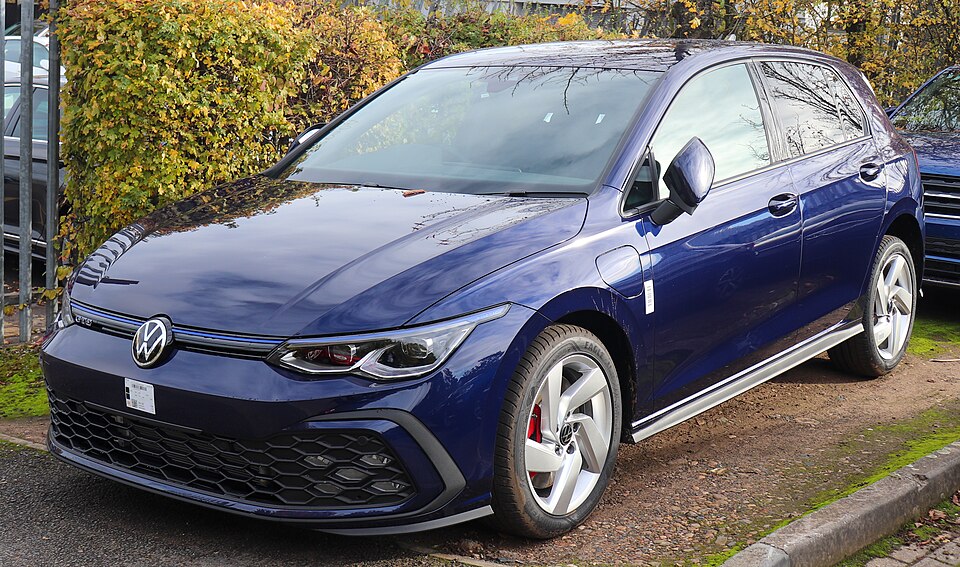
Image credit: Vauxford, Volkswagen Golf GTE hatchback viewed from the front, CC BY-SA 4.0. Unmodified photograph; this is an illustration and does not establish a fault.
