
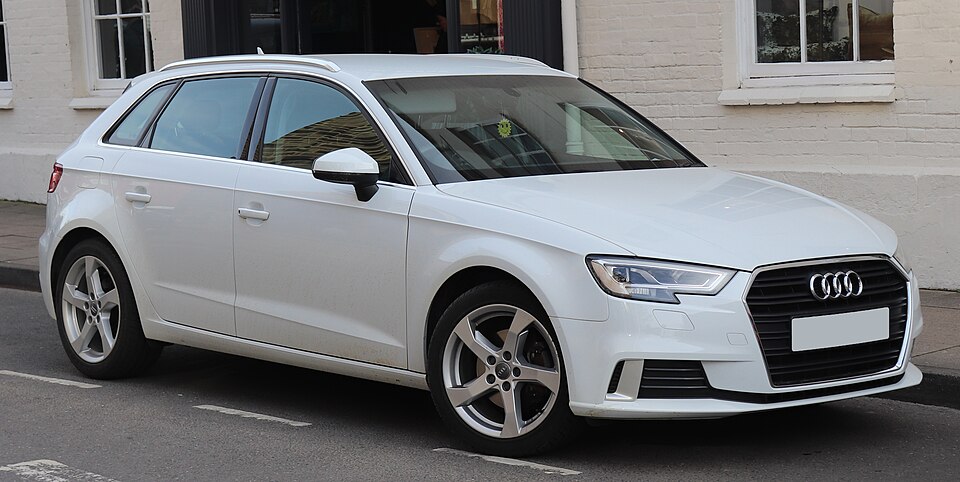
Audi A3 flywheel rattle: how to tell
A rattle from an Audi A3 when the engine starts, when it shuts down, or at idle with the clutch pedal up is a classic sign of a worn dual-mass flywheel (DMF). It is not the only cause. A loose heat shield, a failing alternator pulley, a tired belt tensioner and, on some petrol engines, the timing chain can all sound similar. We separate them at our Audi specialist workshop in Bristol.
What a dual-mass flywheel does
A DMF is two flywheel masses joined by springs. It smooths out the pulses of the engine so they do not shake the gearbox and bodywork. The A3 uses one on many manual versions, particularly the diesels, and some S tronic versions have one too. When the springs and their grease wear out, the two masses move more than they should and the result is a rattle, a shudder as you pull away, or vibration through the pedals and gear lever.
Common signs of a worn DMF
- A rattle or judder for a second or two as the engine starts or stops.
- A rattle at idle that changes or goes when you press the clutch pedal.
- Vibration when pulling away in a high gear at low revs.
- A shudder through the car when the clutch bites.
A rattle that only appears on a cold start and fades as the engine warms up can be the timing chain on some petrol engines, so it should not be assumed to be the flywheel.
Other causes we rule out first
Manufacturers of flywheels and clutches themselves advise checking other causes before replacing a DMF, because it is an expensive part. We look at:
- The ancillary belt tensioner and alternator pulley.
- Engine and gearbox mounts.
- Heat shields and the exhaust.
- The clutch release bearing and clutch condition.
- Starter motor engagement.
Clutch and flywheel are replaced together
If the DMF is confirmed, the clutch is normally replaced at the same time. The gearbox has to come off anyway, and a new flywheel with an old clutch plate wears unevenly and shortens the life of both. Quality of parts matters here. A cheap flywheel can rattle again within months, and we talk through the options with you, including our view on genuine and aftermarket VAG parts. Solid flywheel conversions exist, but they transmit more noise and vibration into the car, and we would explain that trade-off before anyone chose one.
How we diagnose it at our Bristol workshop
We listen to the car start, idle and shut down, then check the belt drive, mounts, heat shields and clutch operation. We scan the car with our VAG diagnostics for misfire or engine faults that cause shudder, and road test it for vibration under load. On S tronic cars, a judder can come from the clutch pack or the gearbox control unit instead, so our DSG clutch or mechatronic fault guide is worth reading too.
Other noises are covered in our A3 cracking noise guide and on the mechanical repairs page.
A3 clutch and flywheel work in Bristol and the surrounding area
We look after Audi owners across Bristol and the surrounding area. To get a flywheel rattle checked, send the registration, engine, mileage and when the noise happens through our contact page.
What the repair involves
A DMF job means removing the gearbox, so it is a big job, and that is why we confirm the cause first. The flywheel, clutch kit and release bearing are replaced together, the crankshaft and gearbox input seals are checked while access is good, and the car is road tested afterwards. We tell you the condition of the parts we remove and whether anything else, such as a leaking seal, needs attention while the gearbox is out.
Which A3s are most affected
Dual-mass flywheel wear is talked about most on diesel A3s with a manual gearbox, because a diesel engine delivers harder, slower power pulses that put more stress on the flywheel springs. Petrol A3s with a DMF can wear too, and some S tronic versions have a DMF as well, so the engine and gearbox your car has matters. The right answer for a 1.6 TDI manual is not always the right answer for a 1.4 TFSI S tronic, which is why we start with the car in front of us.
How long a flywheel lasts, and what shortens it
There is no fixed life for a DMF. How the car is used makes a big difference. These all shorten it:
- Lots of short journeys, where the engine starts and stops often.
- Pulling away in a high gear at very low revs, which makes the flywheel shudder.
- Heavy loads or towing without adjusting how you drive.
- Engine tuning or a remap that raises torque beyond what the original flywheel was built for.
- A worn or slipping clutch that has been left too long.
A test you can do yourself
With the car parked safely, handbrake on, in neutral, listen to the engine at idle. Then press the clutch pedal down while it is idling. If the rattle changes or goes away when the pedal goes down, the flywheel or clutch area is a strong suspect. If it stays the same, the cause is more likely to be a belt, pulley or something else on the front of the engine. This is not a diagnosis, but it tells us a great deal when you describe it. Do not rev the engine hard to try to provoke the noise.
Frequently asked questions
Can I keep driving with a rattling flywheel?
A worn DMF usually keeps working for a while, but it gets worse, and a failed one can damage the clutch and gearbox. Have it checked rather than waiting for it to fail.
Does a rattle always mean a new flywheel?
No. Belts, pulleys, mounts and heat shields cause very similar noises and cost far less to fix.
Why not just change the clutch?
Because a worn flywheel will wear a new clutch quickly. Doing both together avoids paying for the gearbox to come off twice.
Sources and image credit
- Schaeffler LuK service information 0069: diagnosis of noises — general component guidance, not an A3 recall.
- ZF: dual-mass flywheel diagnosis and alternative parts — component suitability and diagnostic background.
Image: Vauxford, Wikimedia Commons, CC BY-SA 4.0. Reduced display size; no crop or other alteration.
